

The Profound Personality Changes That Come With Age


My last interaction with Mike went poorly — to put it mildly. We’d been playing basketball in my high school gym, and he kept tripping and fouling me in an egregious way. We were both 16 and he w as a disgruntled teenager, always causing trouble and bullying people. After one hard trip that sent me to the floor, I jumped up and got in his face and shouted, “Stop fouling me!”
“Or what?” He said. And before I could say anything else, he spit in my face. I’m not a violent person but, instinctively, I punched him, and we went to the ground hitting each other before being broken up by a few players. Fortunately, there were witnesses and he was the one who got suspended.
17 years later, I heard he was going to a social gathering I was bound for. My dad was a coworker of his dad. I told dad about my grievances with Mike and he said, “Give it a chance. People change.” I was skeptical because I’d dealt with a few hopeless people over the years.
Against my own instincts, I went and bumped into Mike — and he couldn’t have been a nicer guy. Honestly, it was inspiring. The same guy who was throwing things at people in class, slinging slurs, and bullying kids, was now as friendly as a golden retriever. And from then forward, I left the door open to people changing. It begs the question, “How much do we actually change on average?” It turns out quite a bit.
The subtle and not-so-subtle changes
Per a study by Professor of Psychology, Dr. Brent W. Roberts, people typically under go profound changes in young adulthood in addition to changes later in life. This is, in part, due to social investments we make. This can mean being an accountant, a parent, a doctor — any major role you play. We often wear the uniform and embrace the part.
Yet even beyond the formative roles our careers play, the mere act of living can drive change in our personality, which scientists define as, “An individual’s characteristic patterns of thought, emotion, and behavior, together with the psychological mechanisms — hidden or not — behind those patterns.” These patterns change more than many realize over the years.
Your personality is often measured along the Big 5 traits: conscientiousness, agreeableness, openness, extraversion, and neuroticism. These traits tend to stabilize more over time, but incrementally move — generally for the better. Per Dr. Frank Mann, agreeableness and conscientiousness increase and neuroticism decreases in adulthood (but increases later in life). Extraversion tends to decrease which can contribute to later life neuroticism.
For example, with agreeableness, havin g a job where you interface with many types of people can facilitate this change — but everyone is different and other life experiences can shape this change too. I skew high on agreeableness, perhaps because I moved so often while growing up. I had to get along with many types of people.
Perhaps the aforementioned Mike learned to get along with others in the intervening years.
I know for a fact that a traumatic event happened with him. He now has a giant scar splitting his eyebrow. In college, he sucker punched someone and was jumped by several men and put in the hospital. I’m not wishing this on anyone, but it is entirely possible that the trauma from this altered his life path. Maybe he realized he needed counseling for his anger problems, or the trauma caused him to rethink how he was living. Or maybe he just needed a good whooping.
Trauma can and does change people’s personality. It often increases neuroticism (negative reflections and interpretations of life), but is also associated with openness (increasing comfort with new situations and risk-taking). Therapy in the aftermath of trauma can play a large and positive role in personality change.
Changes I’ve observed in myself
I’m 42 which is a weird age because people often think I’m “so old” or “so young”. As a writer, I’m constantly documenting thoughts and scenes from my life, and have for many years. Consequently, I have a good pulse on these changes. I’m curious to see how they’ll contrast with your own.
For starters, I prize stability and consistency now, which was not at all the case before. Everything used to be about fun and chasing girls. A relationship was considered kryptonite.
Today, I’m much less impulsive — perhaps to a fault. I’m more organized. Sadly, my openness to new experience has certainly de lined as I’ve become more risk averse. But we are working on that.
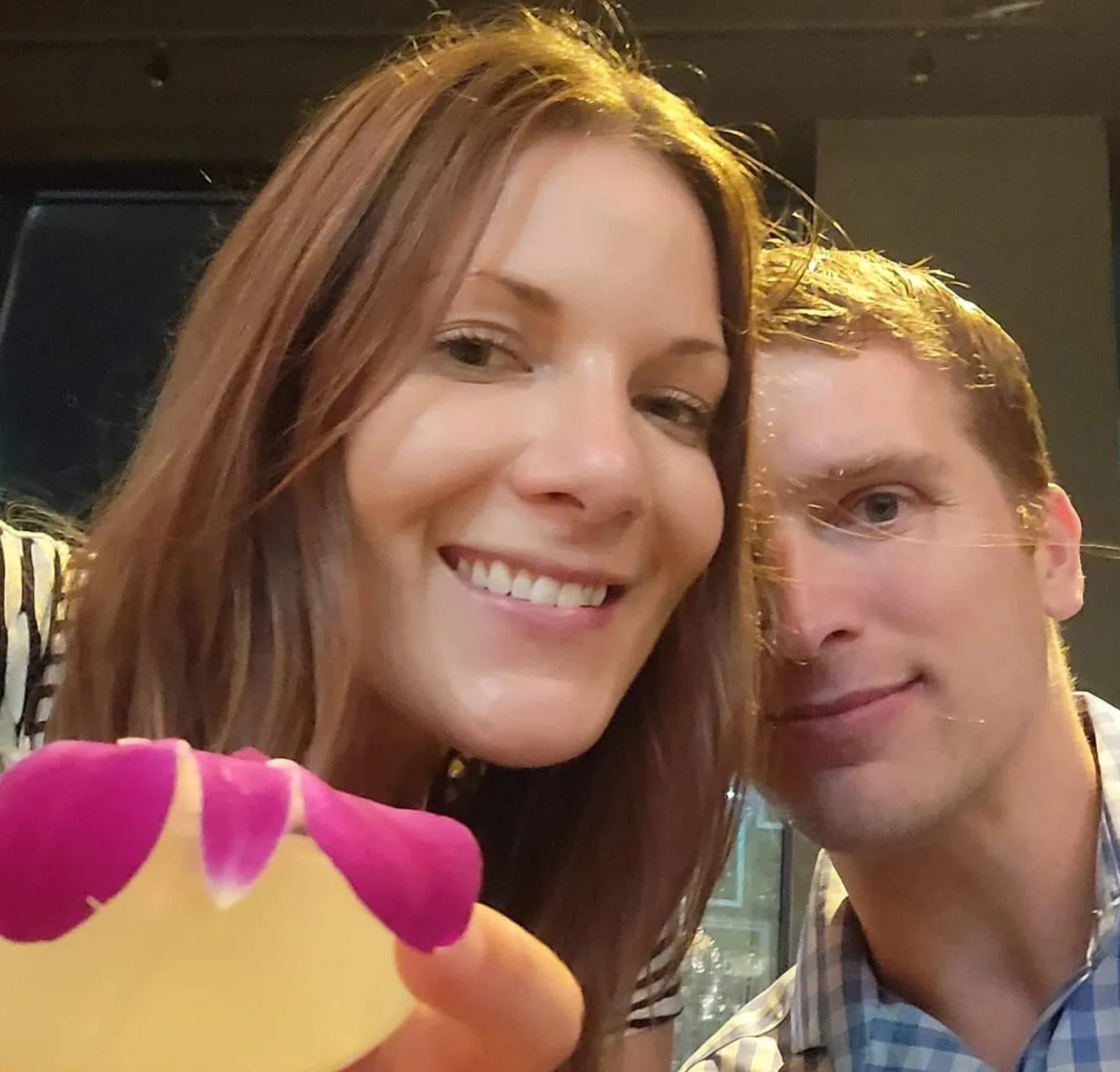
One perk of getting older that those I’ve spoken with often notice happening too — is that you stop caring quite as much about what others think, not in the sense of being rude. But more, being less preoccupied with people pleasing and wanting others to approve of how you live your life.
A quick tip to help with your changes
Loneliness drives a great deal of the change many of us go through in later life. A full 43% of Americans 60 and older report loneliness. This can be due to friends dying or moving away over time. This loneliness can increase negative thinking and neuroticism, and decrease your openness (to new experience, as well as your curiosity and creativity).
One way to mitigate this is t o stay social, which is proven to improve your quality of life, reduce negativity, and problematic levels of introversion. If you are older, this can mean living in proximity to other retired people, and having activities to do with them, or moving closer to your friends.
Per Brent Roberts, a psychology professor at the University of Illinois at Urbana-Champaign, “we construct our world to avoid” personality change and not necessarily for the better. Make sure to mix things up and fight the cementing effect older age can have upon your persona.
We are all proven to change gradually, and in big bursts at various points in life, with the biggest changes happening before age 30 and after 60. It is rare to look back four decades and see the same person staring back at you. I can look back two decades and see an excessively extraverted drunken party animal with too little impulse control. We probably wouldn’t get along.
Personality change is a significant and inevitable consequence of living. Do what you can to ensure that change is for the better.
And don’t forget about your friends. You’ll both need each other in the long run.
So how about you? What are the biggest changes you’ve seen in yourself over the years?
Spitting? Whoa. Changes in myself? That because I'm the age I am now? 42 years of age is the new 20. Smile.